
Elementor #1687
Heading Text Here April 8, 2026 Blog Lorem ipsum dolor sit amet, consectetur adipiscing elit. Vivamus vel tortor nec nisi porta mattis at ac urna. Maecenas nec porta metus, at cursus purus. Quisque suscipit leo id porta luctus. Quisque tempor quam nec elit fringilla, ut hendrerit purus semper. Class aptent taciti sociosqu ad litora torquent per conubia nostra, per inceptos himenaeos. Maecenas vitae urna rhoncus dui pretium mollis. Aenean molestie libero sit amet magna sodales egestas. Donec efficitur elit vitae lacus suscipit, nec semper ipsum egestas. Aliquam id lectus dignissim, suscipit nisl non, egestas nibh. Morbi Smart Budgeting Tips for Seniors First Tips Second Tips Third Tips Pondimentum. Sed ultricies euismod ipsum, eget tempor felis. Suspendisse orci lorem, vehicula vitae risus eget, finibus mollis nisl. Proin a tempus ex. Quisque id lobortis justo, hendrerit blandit purus. Vestibulum commodo ex in ultrices accumsan. Pellentesque suscipit arcu at est venenatis, ut hendrerit est condimentum. Sed ultricies Lorem ipsum dolor sit amet, consectetur adipiscing elit. Vivamus vel tortor nec nisi porta mattis at ac urna. Maecenas nec porta metus, at cursus purus. Quisque suscipit leo id porta luctus. Quisque tempor quam nec elit fringilla, ut hendrerit purus semper. Class aptent taciti sociosqu ad litora torquent per conubia nostra, per inceptos himenaeos. Maecenas vitae urna rhoncus dui pretium mollis. Aenean molestie libero sit amet magna sodales egestas. Donec efficitur elit vitae lacus suscipit, nec semper ipsum egestas. Aliquam id lectus dignissim, suscipit nisl non, ullam iaculis consectetur maximus. Proin a tempus ex. Quisque id lobortis justo, hendrerit blandit purus. Vestibulum commodo ex in ultrices accumsan. Pellentesque suscipit arcu at est venenatis, ut hendrerit est condimentum. Sed ultricies euismod ipsum, eget tempor felis. Suspendisse orci lorem, vehicula vitae risus eget, finibus mollis nisl. Quisque at scelerisque odio, in tincidunt quam. Donec id lacus convallis, euismod tortor sit amet, euismod mi. Nullam vel enim convallis, euismod nisl ut, tincidunt turpis. Quisque at metus leo. Curabitur elit dui, volutpat eu mauris eget, bibendum mollis libero. Proin ultrices ex nec mauris elementum, quis fermentum mi varius. Morbi nec nulla quis nulla imperdiet varius. Phasellus blandit scelerisque lacus, vehicula interdum est finibus eget. Post Tags: This post No term Example only Share:
Planning Ahead for Dementia Care

Planning Ahead for Dementia Care Susan Goins March 27, 2026 Simple steps that protect your loved one and give your family peace of mind. Why planning early matters? Planning ahead helps families avoid crisis decisions later. At Better at Home, we guide families through every stage of dementia care. Have a voice in their care Reduce stress on family members Prevent confusion during emergencies Avoid costly and time-consuming legal issues 1. What is an Advance Directive & why do I need one? An advance directive is a legal document that outlines: Who will make medical decisions if your loved one cannot What kind of care they do or do not want Where they prefer to receive care In Georgia, this includes Power of Attorney (POA) for healthcare decisions. Why it matters? Without this document: Doctors must make decisions without clear guidance Families may disagree or feel overwhelmed You may need to go to court to gain decision-making authority When should this be done? As early as possible. Ideally before cognitive decline progresses, while your loved one still has the ability to make decisions Can I do this without a lawyer? Yes, you can. Use a state-specific form (free or low cost) Prepare your wishes ahead of time to reduce legal fees My workshop helps families think through these decisions before meeting with an attorney, saving time, money, and stress. Please contact me so we can review this together. 2. What happens if we don’t have one ? If your loved one is already unable to make decisions: Families may need to go through a court process (guardianship) This can take months It can be emotionally and financially draining 3. How do we prepare for emergencies? Emergencies can happen suddenly. This could include: Medical emergencies Hospital visits Natural disasters (storms, evacuation) What should we have ready? Create a simple “grab and go” kit with: Medications and prescription list Doctor and insurance information ID and important documents Clothing and hygiene items Phone charger Comfort item for your loved one Water and non-perishable food Pro tip: Leave early in emergencies and keep everything in one waterproof container. Don’t wait until things feel overwhelming. Create a care team early, including: Family members Friends Professional caregivers What should everyone know? Medications and schedule Doctors and contact info Emergency plan Advance directive details Who is making decisions in a crisis Why this matters? Clear roles prevent: Confusion Burnout Family conflict 4. Who should be involved in caregiving? 5. How do we prevent wandering? About 60% of people with dementia will wander at some point. This is one of the biggest safety risks. Signs it may happen: Restlessness or agitation Talking about “going somewhere” Trying to follow others out What can we do now? Make the home safer: Secure doors and windows Use locks or alarms Consider motion sensors or monitoring system Simple tricks that help: Camouflage doors (same color as walls) Place a dark mat in front of exits Use signs like “STOP” Important: GPS trackers help locate someone after they leave. They do not prevent wandering. If someone wanders: Call 911 immediately Act fast. Time is critical How Susan Helps? Susan helps families: Create a clear care plan Prepare for emergencies Navigate difficult decisions Reduce stress and uncertainty Her free workshop walks you through: Dementia-specific care decisions What most standard forms don’t cover How to prepare before meeting with an attorney You don’t have to figure this out alone. Planning early gives you clarity, confidence and peace of mind. And most importantly, it ensures your loved one’s wishes are honored.
Understanding Challenging Dementia Behaviors and How to Respond Calmly
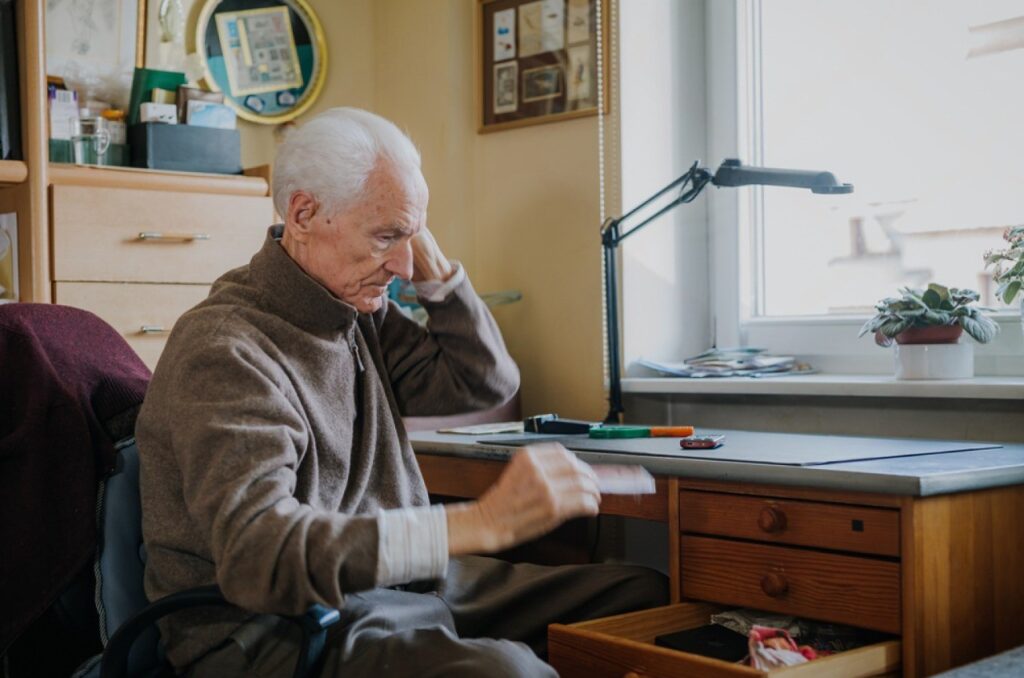
Understanding Challenging Dementia Behaviors and How to Respond Calmly Susan Goins March 25, 2026 One of the most difficult parts of caring for a loved one with dementia is learning how to respond to behaviors that feel confusing, upsetting, or even alarming. Dementia affects how the brain functions. Different areas of the brain may be impacted as the disease progresses. While cognitive abilities change, emotional responses often remain and may even become intensified due to changes in the brain’s normal functioning. For families, this means behaviors that appear unusual or difficult are often the brain’s way of communicating a need that the person can no longer express clearly. Challenging Behaviors Are Communication Challenging behaviors are a natural part of dementia progression. They are not intentional acts of defiance or aggression. Instead, they are often attempts to communicate distress, confusion, discomfort, or an unmet need. It is important to understand that the person living with dementia may not be able to stop or change these behaviors without support. When families shift their perspective from reacting to behavior to understanding what the behavior might be communicating, the situation often becomes easier to manage. What Can Trigger Dementia Behaviors There are many factors that may contribute to challenging behaviors. Some of the most common include: • Confusion or disorientation• The mood or interaction style of caregivers• Sensory overload from noise or lighting• Changes in the environment or routine• Frustration with declining abilities• Suppressed anger or emotional distress• Physical pain or discomfort• Fatigue• Paranoia or delusions• Infection or illness• Medication changes• A lower stress tolerance due to changes in the brain• Time of day• Being in unfamiliar settings such as hospitals• Tasks that involve too many steps• Hunger or thirst• Needing to use the bathroom• Past personal trauma• Vision or hearing challenges related to eyeglasses or hearing aids Understanding these possible triggers can help families identify patterns and anticipate situations that may cause distress. Common Dementia Related Behaviors Several behaviors tend to appear frequently as dementia progresses. Agitation or Aggression: Agitation may include behaviors such as hitting, pushing, pinching, kicking, scratching, biting, or making unfiltered comments. While these behaviors can feel alarming, they are often expressions of fear, frustration, or confusion. Repetition: Repetitive behaviors are very common. A person may repeatedly ask the same question, repeat certain words, or perform physical actions such as clapping, making sounds, or rummaging through drawers and belongings. Resistance to Daily Routines: As dementia progresses, individuals may become resistant to routines that were once familiar. Activities like bathing, dressing, or eating may feel confusing or overwhelming due to changes in their abilities. Observing Patterns Can Provide Clues When challenging behaviors occur, it is helpful to pause and observe the situation carefully. Ask yourself questions such as:• What was happening immediately before the behavior started?• Could the person be hungry, tired, or uncomfortable?• Has something in the environment changed?• Is there a pattern to when this behavior happens? Looking for patterns can provide valuable insight into what the person may be experiencing. How Families Can Respond Calmly The most effective strategy for managing dementia behaviors is prevention and maintaining a calm environment. Several approaches can help reduce distress and support cooperation. Allow the individual to make as many decisions as possible so they retain a sense of independence. Offer simple choices rather than open ended questions. For example, ask whether they would prefer tea or water rather than asking what they want to drink. Break activities into smaller steps and allow extra time for them to respond. Remain supportive and avoid correcting their perception of reality. Their experience feels very real to them. Never attempt to restrain or physically hold them by the arm. This can increase fear and escalation. Stay flexible and keep the focus on the person rather than the task. Adjusting Communication Communication often needs to change as dementia progresses. Let the person know what you are about to do before beginning an activity. Speak slowly, remain friendly, and maintain a calm tone. Sit at their level when speaking with them rather than standing over them. Avoid sounding bossy or rushed. A gentle and reassuring tone can make a significant difference. When they express emotions, acknowledge their feelings. You might respond by saying, “I understand why that would feel upsetting. I would feel that way too.” Even if their concerns seem unusual, the emotions they are experiencing are very real.Answer their questions patiently, even if they repeat them many times. Disagreeing or correcting them often leads to greater distress Redirecting and Deescalating If a situation begins to escalate, gentle redirection can often help. You might invite them to take a few slow breaths with you. Some families find it helpful to use a breathing visual on a phone or tablet to guide the rhythm of breathing. Introducing a distraction can also shift the situation. Creative or familiar activities such as listening to favorite music, sorting objects, folding towels, or stringing beads can redirect attention and reduce resistance. Often a small shift in focus is enough to restore calm. Keeping Medical Providers Informed It is important to keep doctors informed about patterns you observe in behavior. Changes in behavior can sometimes indicate a medical issue such as infection, pain, or medication interactions. Physicians may want to evaluate whether the individual’s condition has changed or whether adjustments to treatment are needed. Tracking behaviors and discussing patterns with medical providers helps ensure the individual receives the most appropriate care. Responding With Patience and Understanding Caring for someone with dementia requires patience, flexibility, and compassion. Behaviors that appear challenging are often attempts to communicate needs in a way the brain can no longer express clearly. When families approach these moments with calm observation, thoughtful communication, and supportive strategies, it becomes possible to reduce distress and improve quality of life for everyone involved. Understanding the message behind the behavior is often the first step toward creating a more peaceful and supportive caregiving environment. Post Tags: This post No term Example only
What Person-Centered Dementia Care Looks Like at Home

What Person-Centered Dementia Care Looks Like at Home Susan Goins March 18, 2026 When a loved one begins experiencing cognitive decline, families are often told to hire caregivers to help with daily tasks. While caregivers are an important part of support, dementia care requires a broader and more thoughtful approach. Person centered dementia care focuses on the whole individual, not just their medical needs or physical safety. It integrates health care, emotional wellbeing, routines, and meaningful engagement into a structured plan that allows individuals to continue living with dignity, purpose, and joy. At Better at Home, dementia care management is designed to bring this holistic approach to families navigating the complexities of cognitive decline. A Holistic Approach to Dementia Care Traditional caregiving often focuses on helping with daily tasks such as meals, transportation, and personal care. Person centered dementia care goes further by creating an environment where the individual’s preferences, personality, and emotional needs remain part of daily life. This approach balances medical guidance with thoughtful planning for the home environment, daily routines, and meaningful activities. When care is organized in this way, individuals living with dementia can maintain:• A sense of independence• Familiar routines and comfort• Opportunities for engagement and purpose• Greater emotional stability and confidence The goal is not simply to manage symptoms but to support a meaningful life. Education and Coaching for Families and Caregivers One of the most challenging aspects of dementia care is understanding how the condition evolves and how behaviors change over time. Families often find themselves asking questions such as:• Why is my loved one repeating the same questions?• Why do they become agitated in the evening?• How should I respond when they are confused or resistant to help? Education and coaching help families and caregivers learn how to communicate effectively, respond calmly to challenging behaviors, and adapt as dementia progresses through its stages. This support helps transform stressful moments into opportunities for connection and understanding. Care Planning That Evolves With the Disease Dementia is a progressive condition, which means care needs will change over time. A structured care planning process evaluates the individual’s current abilities, safety considerations, behavior patterns, and support network. From there, a personalized plan is created that adapts as the condition evolves. This ensures that care remains appropriate for the stage of illness while preserving the individual’s strengths and capabilities for as long as possible. The Importance of a Weekly Care Plan A well designed weekly care plan helps prevent boredom or passive caregiving, which can often lead to agitation and behavioral challenges. Instead, a thoughtful plan introduces meaningful activities that support cognitive, emotional, and physical wellbeing. Activities may include options that support:• Cognitive stimulation• Creative expression• Physical movement• Social interaction• Cultural or ethnic traditions• Spiritual engagement A weekly care plan also ensures that recommendations from health professionals including physicians, hospital discharge planners, physical therapists, occupational therapists, and social workers are captured and incorporated into daily care. This helps families ensure that every professional directive is being followed and that everyone involved in care is aligned. Patient Advocacy in Medical Settings Medical appointments and hospital visits can be overwhelming for families navigating dementia care. Patient advocacy ensures that the right questions are asked during appointments and that families clearly understand next steps after leaving a medical setting. This support may include helping prepare for doctor visits, attending appointments, or assisting families in interpreting treatment recommendations and care instructions once the patient returns home. Clear communication between medical providers and families is essential for continuity of care. Planning Ahead With Advance Directives Discussing care preferences early in the dementia journey allows individuals to express their wishes while they are still able to participate in decision making. Exploring these preferences before meeting with an attorney to establish advance directives allows families to think through important considerations in a thoughtful and informed way. These conversations help ensure that future care decisions reflect the individual’s values and priorities. Creating a Safer Home Environment Home safety assessments are an important part of proactive dementia care planning.These assessments help identify potential hazards before they lead to falls, wandering incidents, or other safety concerns. Small adjustments to the home environment can often make a significant difference in maintaining independence and reducing risk. In addition to safety checks, dementia friendly environment planning focuses on reviewing daily routines and living spaces to make the home easier to navigate and more familiar. This may include changes to lighting, layout, cues for orientation, or adjustments that support independence in daily activities. Support Beyond Traditional Care Dementia care management also connects families with trusted resources that support life at home. This may include access to:• A network of vetted contractors for home maintenance or modifications• Assistance coordinating repairs or work orders• Concierge services such as holiday preparation, personal shopping, cleaning, downsizing, or home organization These services help reduce the logistical burden families often experience while managing dementia care. A Better Way to Navigate Dementia Care Dementia care is not just about addressing immediate needs. It is about planning thoughtfully, supporting the individual as a whole person, and ensuring families have the guidance they need as the journey evolves. Person centered dementia care brings together medical recommendations, emotional support, structured planning, and meaningful engagement to create a better quality of life for individuals living with cognitive decline. At Better at Home, the goal is to help families move from uncertainty and reactive decisions toward clarity, preparation, and confidence as they care for their loved one. Post Tags: This post No term Example only Share: